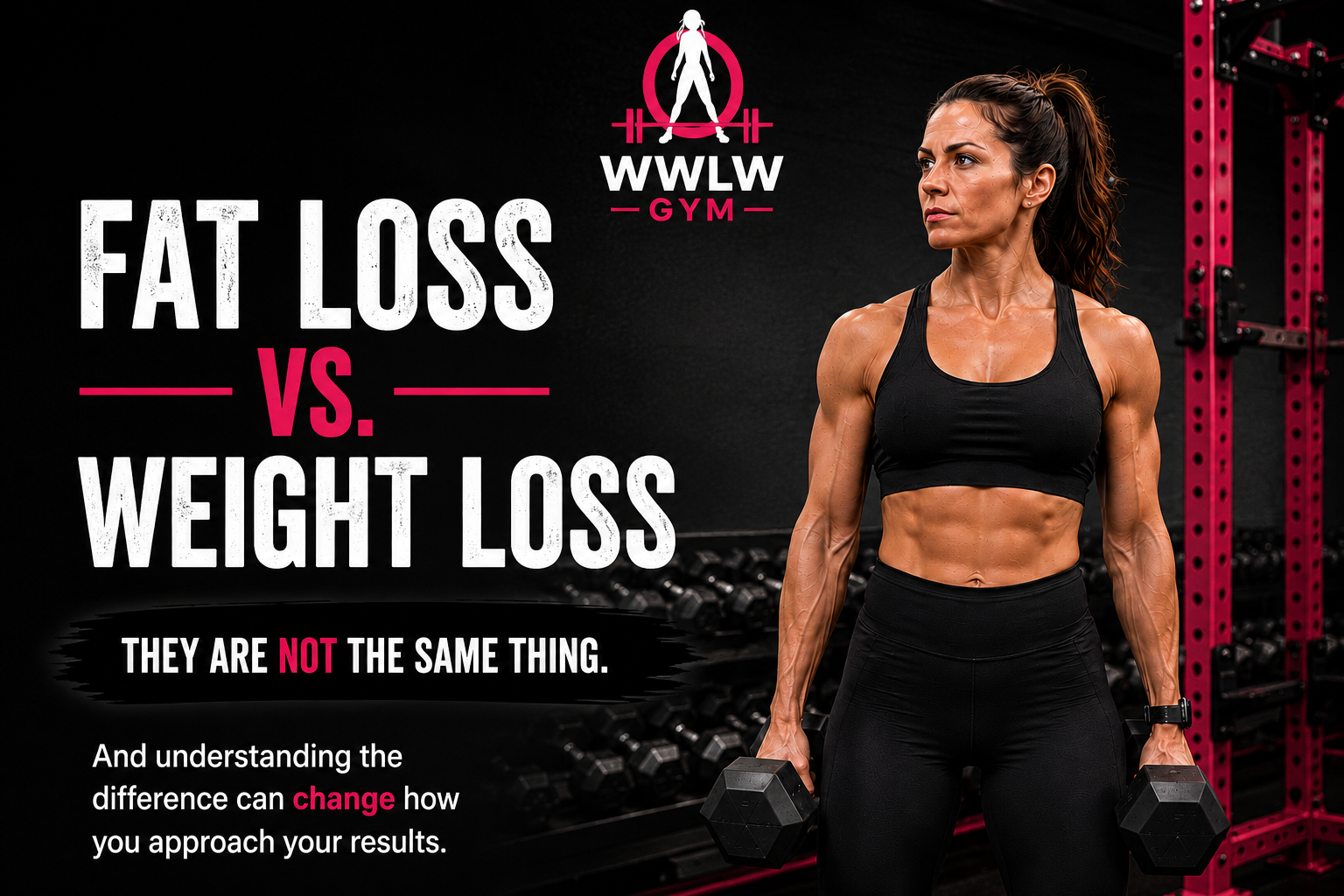
Fat Loss vs. Weight Loss: They Are Not the Same Thing
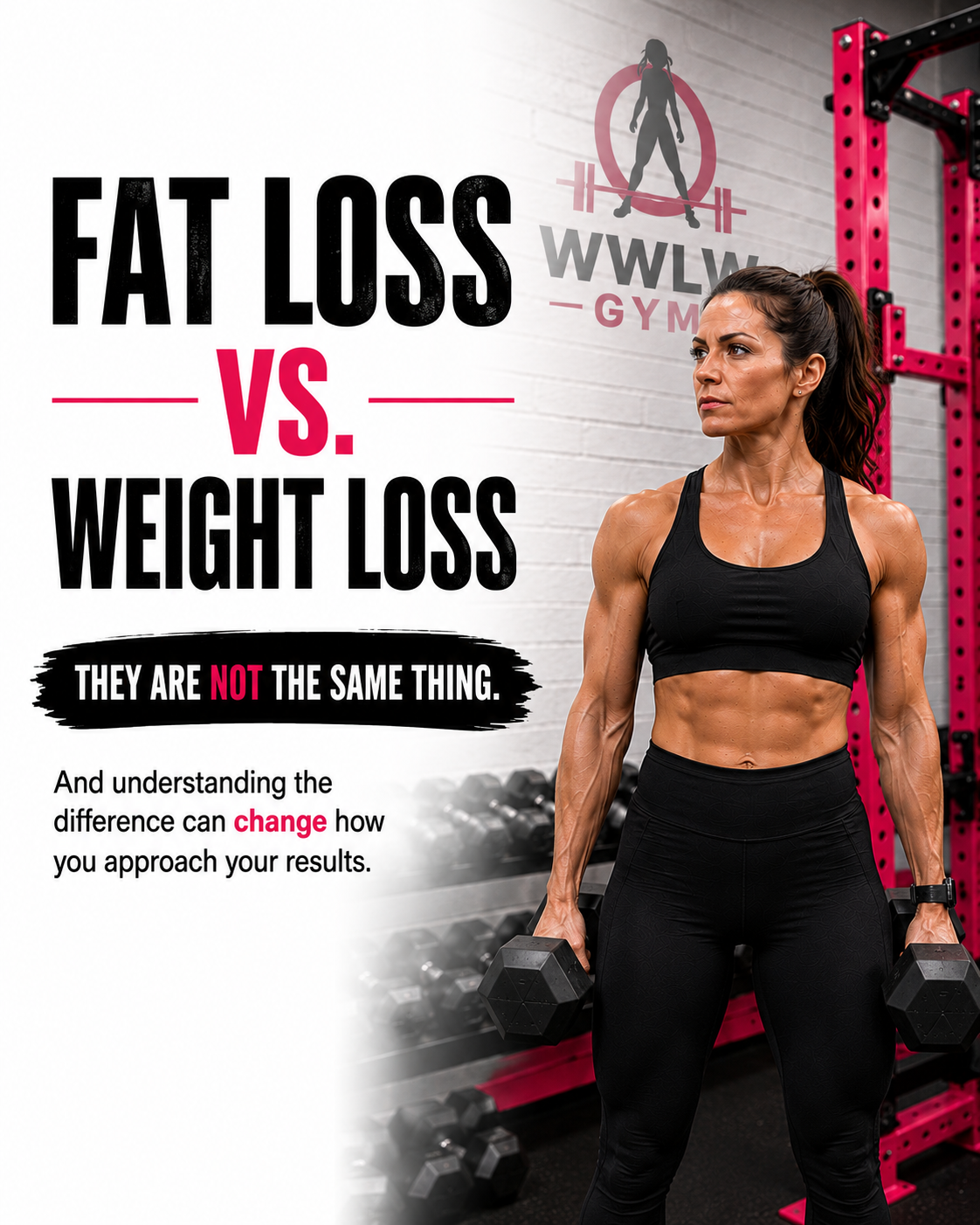
Fat Loss vs. Weight Loss — They Are Not The Same Thing
If fat loss is your goal, understanding the difference matters.
These two terms get used interchangeably all the time, but they’re not the same thing — and mixing them up can lead you to chase the wrong number and miss the progress that actually counts.
Let’s break down what each one really means, and why the difference matters for the results you actually want.
What Weight Loss Actually Means
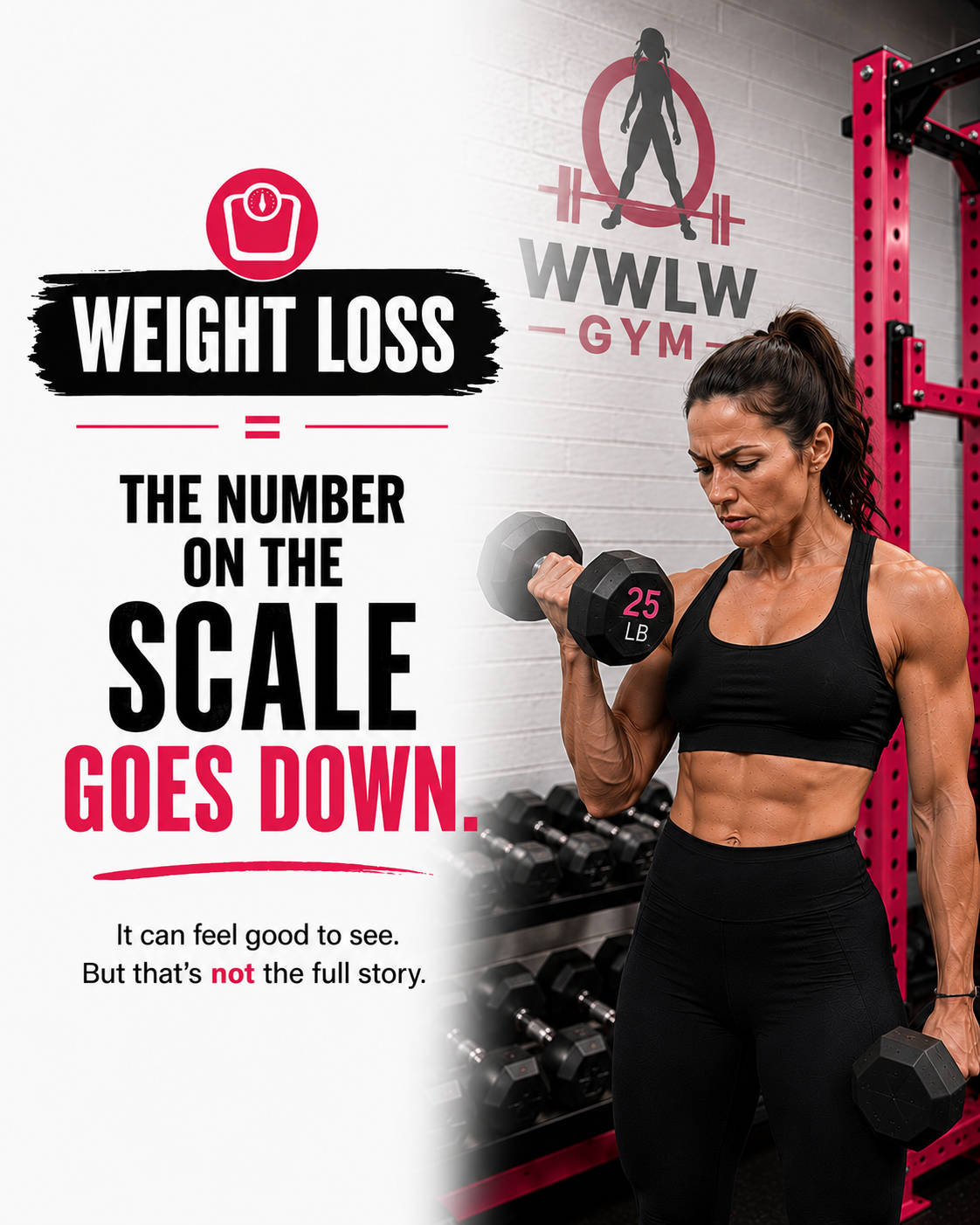
Weight loss simply means the number on the scale goes down. That’s it. It doesn’t tell you where that weight came from.
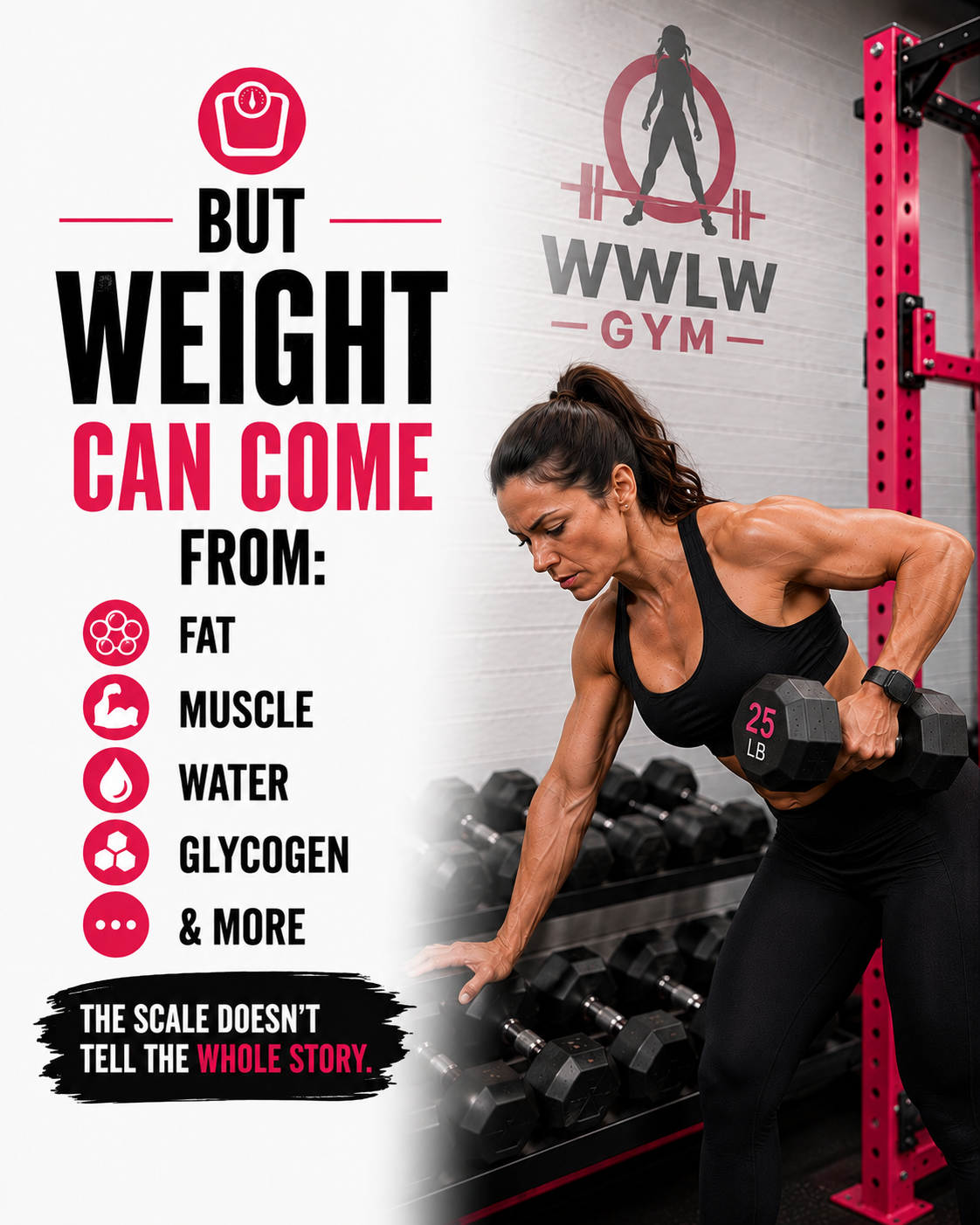
But your body weight can come from fat, muscle, water, glycogen, and more. That means seeing a lower number on the scale doesn’t automatically mean you’re getting the results you actually want.
A hard training session, a low-carb day, or even just being dehydrated can all pull the scale down temporarily — without a single pound of body fat actually being lost. It’s entirely possible to see the scale drop and still not be any closer to the body composition you’re working toward.
What Fat Loss Actually Means
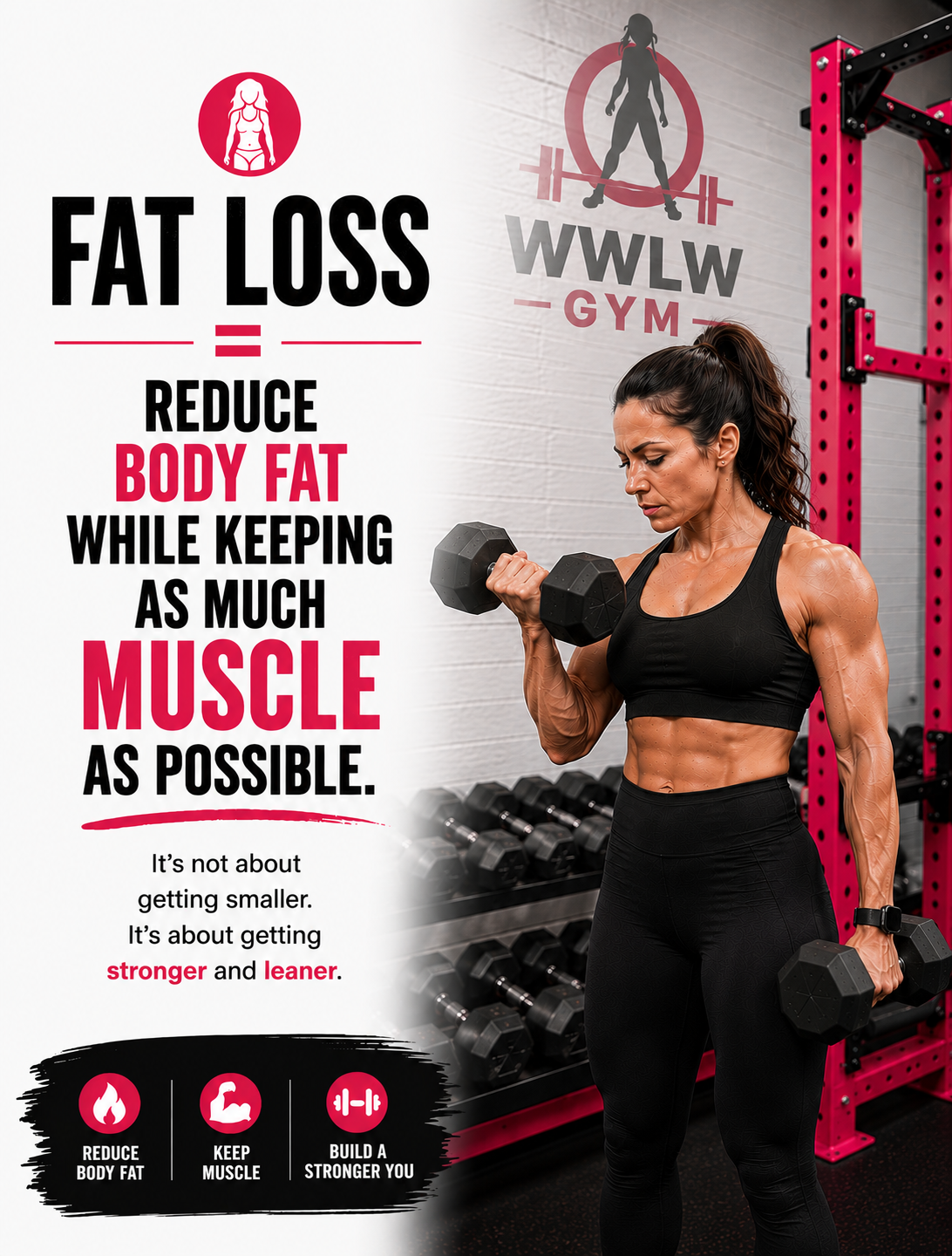
Fat loss is different. The goal is to:
- ✓ Reduce body fat
- ✓ Keep as much muscle as possible
- ✓ Continue building strength
- ✓ Improve your body composition
Because the goal shouldn’t simply be to become lighter. It should be to become leaner, stronger, and healthier while maintaining the muscle you’ve worked hard to build.
Why Strength Training Matters
This is also why strength training is such an important part of a good fat-loss plan. You’re giving your body a reason to hold onto muscle while you work toward reducing body fat.
Without that signal, your body has less reason to protect muscle when you’re in a calorie deficit — and some of the weight you lose can end up coming from the muscle you’ve worked hard to build, not just body fat. Continuing to strength train and challenge yourself is what helps make sure the fat comes off while your strength stays intact.
The Scale Doesn’t Tell The Whole Story
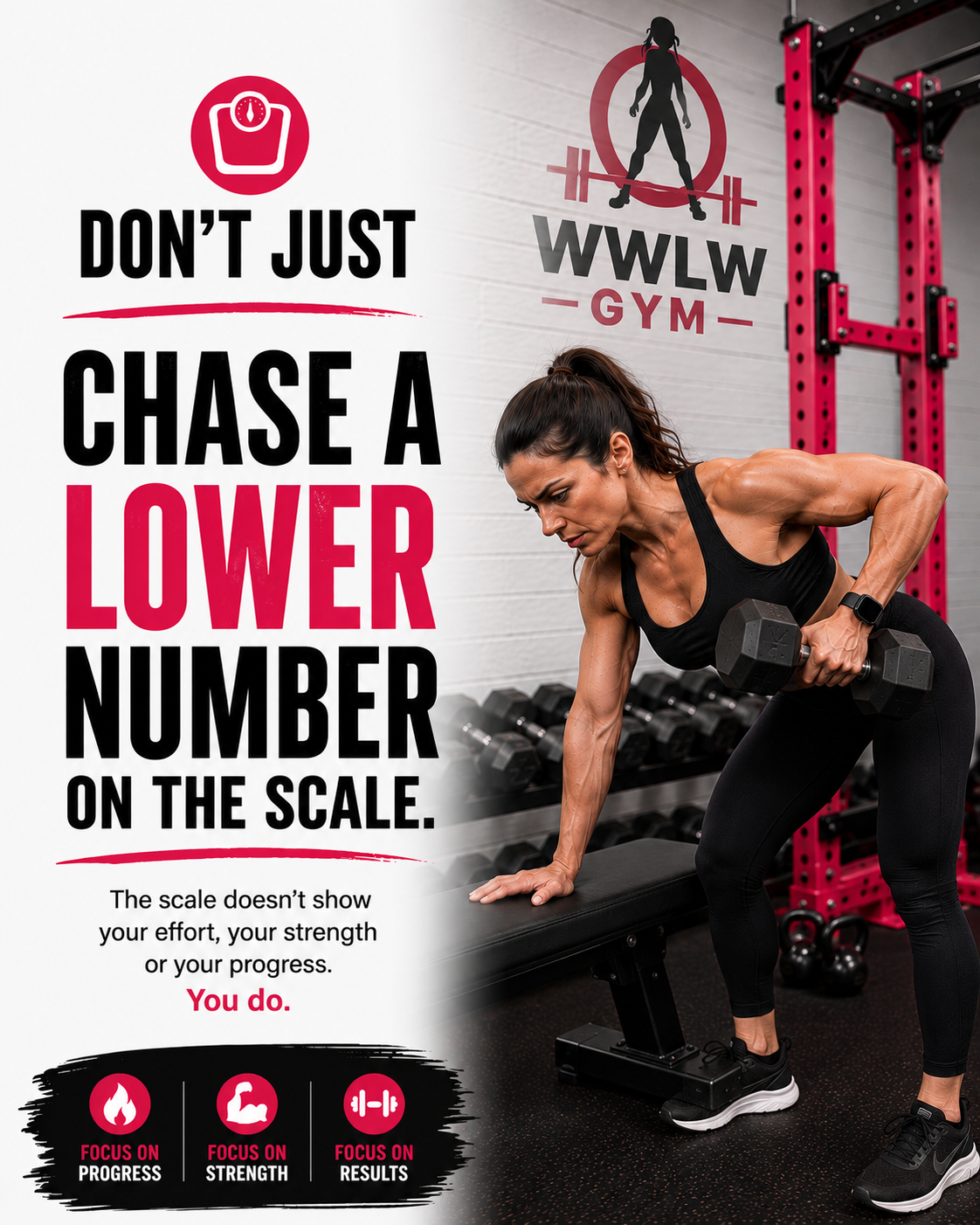
Your weight can fluctuate from day to day because of hydration, glycogen, food intake, sodium, hormones, and other factors. So don’t let one number determine whether your plan is working.
Pay attention to your strength, measurements, photos, how your clothes fit, training performance, and overall progress. Look at the trend over several weeks rather than what the scale says on any single day — that’s where the real picture of your progress shows up.
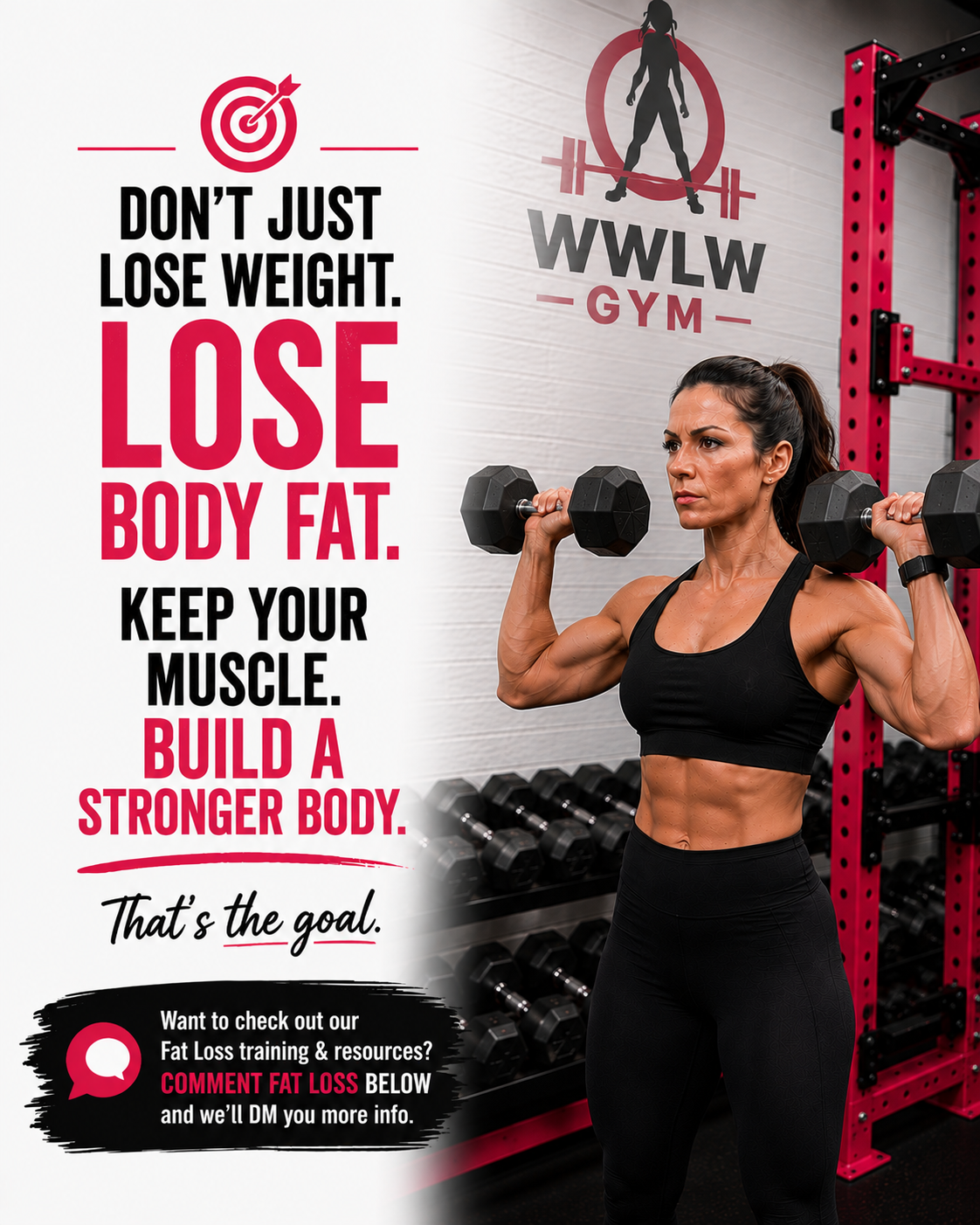
Don’t just lose weight.
LOSE BODY FAT.
KEEP YOUR MUSCLE.
BUILD A STRONGER BODY.
That’s the goal.
Key Takeaway
The scale can’t tell you whether the weight you’re losing is fat, muscle, or water — real fat loss protects your muscle while your strength goes up.
Weight loss and fat loss aren’t the same goal, even though they’re often talked about like they are. Focus on the full picture — your strength, your measurements, your photos, and how you feel — and the results you’re actually working for will follow.
Need Help With Fat Loss?
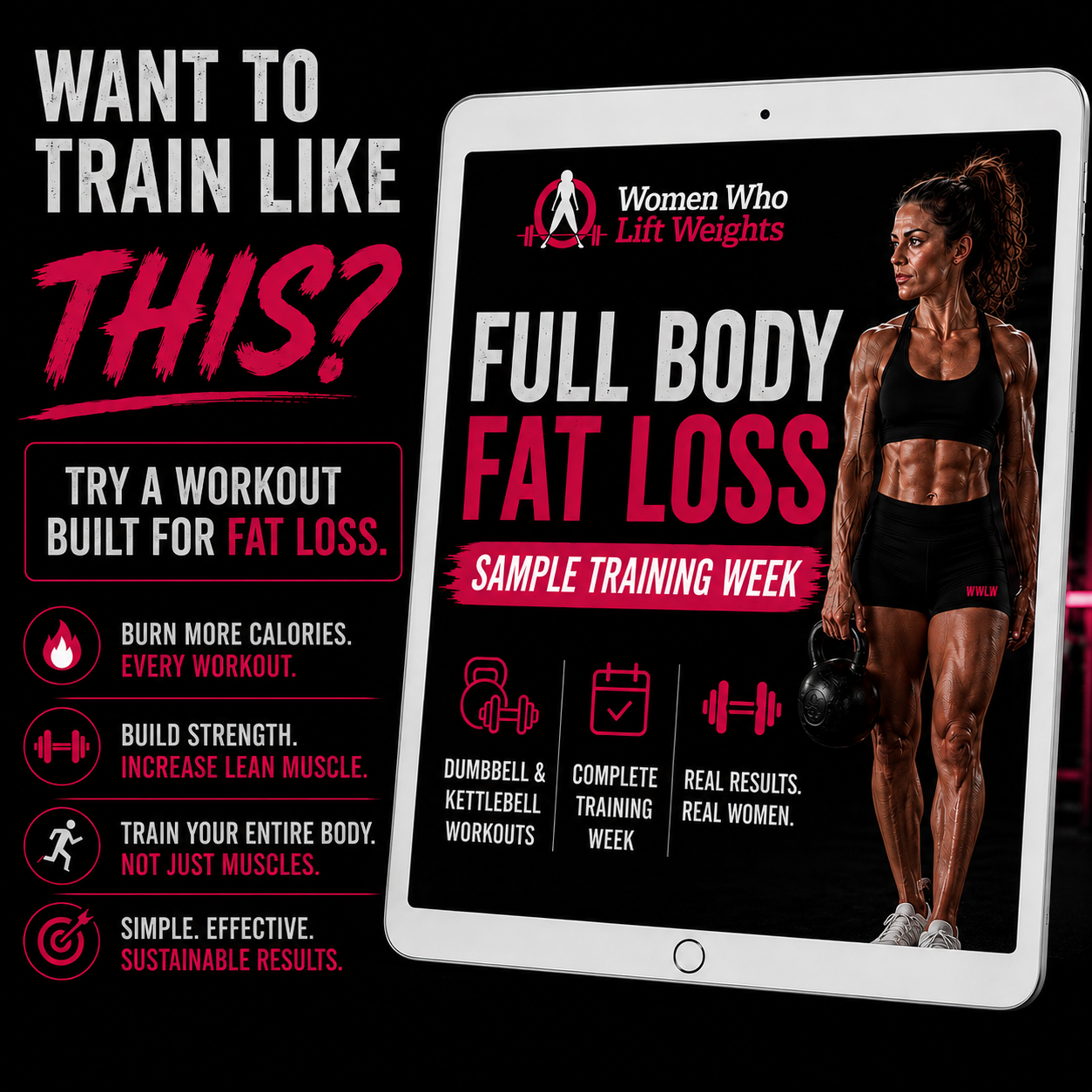
We’ve put together our WWLW Fat Loss Resources, including a FREE Sample Training Week, the Fat Loss Guide, training programs, and more.
Author
-
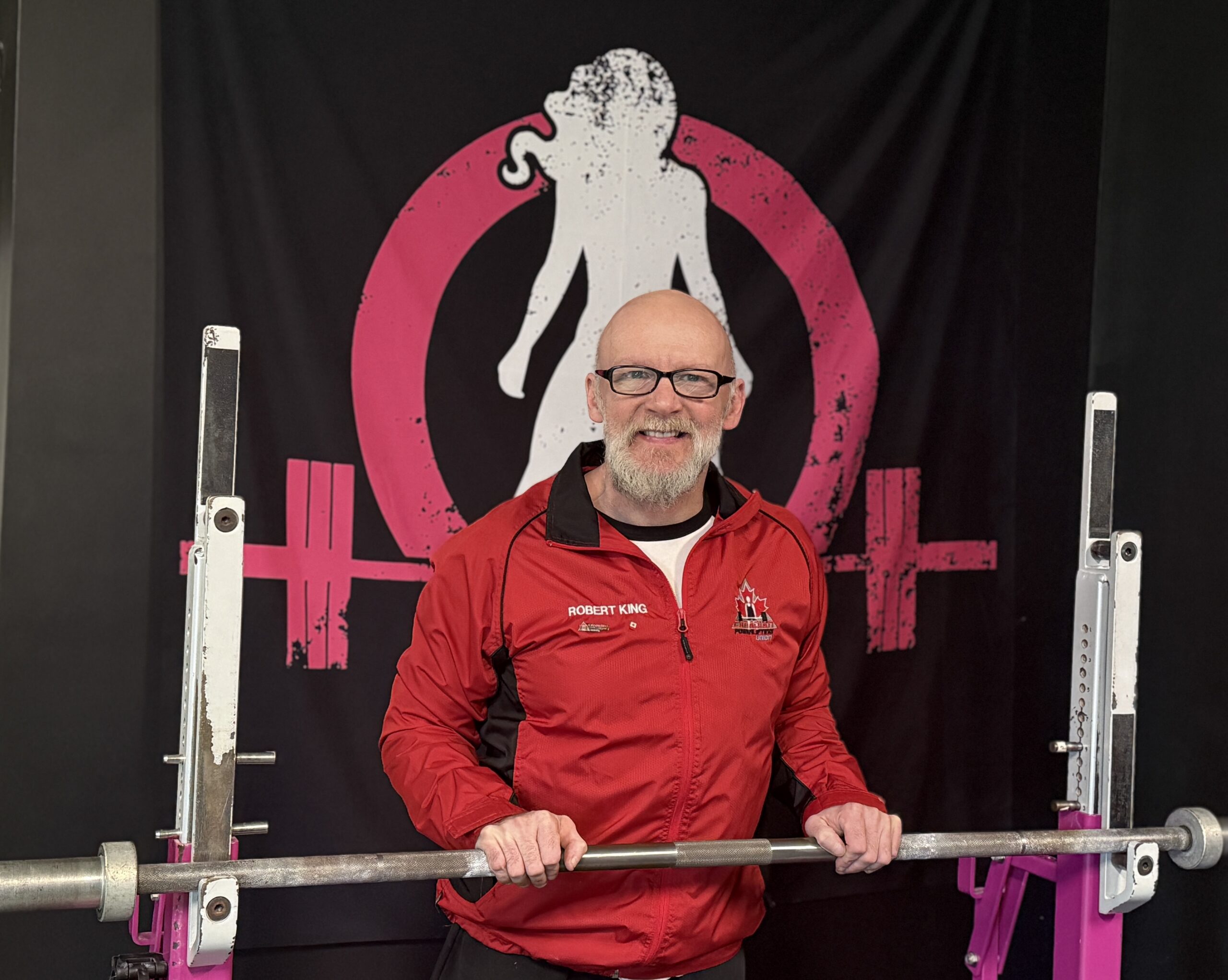
Robert King (Coach Rob)
Founder, Women Who Lift WeightsRobert King is a strength coach and IPF World Champion Powerlifter with more than 30 years of coaching experience. He is a 6x Team Canada Powerlifting Coach, founder of Women Who Lift Weights (WWLW), creator of the WWLW App, and owner of Heavy Weights Barbell Club in Newfoundland, Canada.
Robert has coached everyone from complete beginners to international-level athletes, helping thousands of women build strength, improve confidence, and develop sustainable training habits through evidence-based strength training. His coaching philosophy is simple: build strength first, and everything else gets easier — stronger women move better, feel better, perform better, and stay healthier for life.
Robert is a published author, and through WWLWGym.com and the WWLW App, he shares practical training advice, educational articles, and proven programs designed to help women train smarter and get stronger. He holds certifications through StrongFirst, Training for Warriors, and Olympic Weightlifting.